The History of Lederhosen – From Alpine Villages to Oktoberfest Tents
Introduction – Why Lederhosen Still Fascinates the World
Step into any Oktoberfest tent today, and you’ll see a sea of beer steins, pretzels, and laughter. Yet among all the music and celebration, nothing captures attention quite like the traditional lederhosen. Rugged, embroidered, and steeped in history, these leather shorts aren’t just clothing — they’re a cultural icon.
At The Lederhosen, we believe every stitch tells a story. From Alpine villages to modern Oktoberfest tents, these garments have carried centuries of tradition, pride, and craftsmanship. But how did this journey begin? Let’s explore the fascinating story of lederhosen — from their humble origins to their place as a global fashion and cultural symbol.
The Humble Beginnings in Alpine Villages
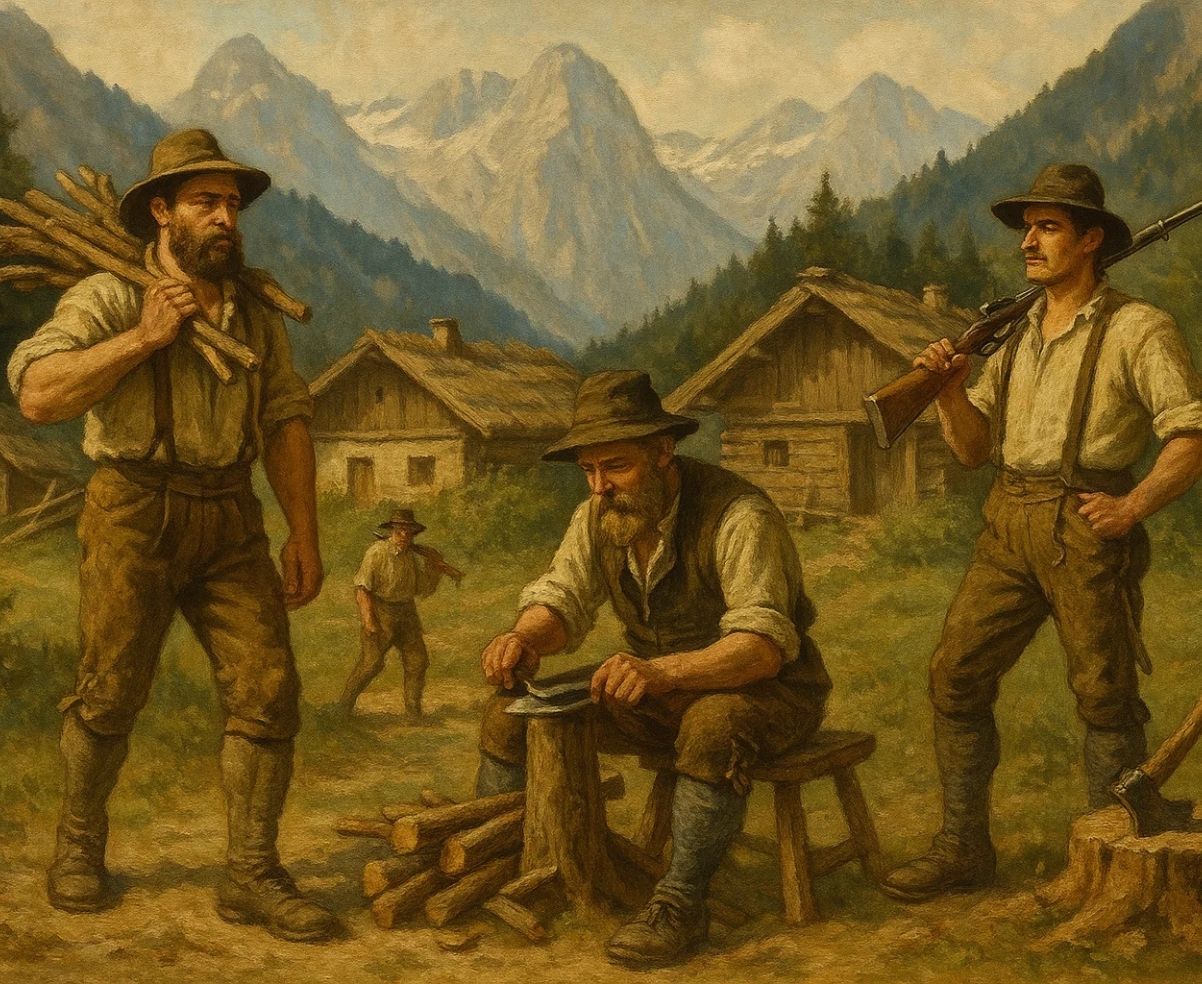
The word lederhosen translates literally to “leather trousers.” In the 18th century, life in the Alpine regions of Germany, Austria, and Switzerland was rugged. Farmers, hunters, and woodcutters needed clothing that could handle long hours of labor in harsh landscapes.
- Durability first: Deer and goat leather were chosen for their toughness, resistance to weather, and ability to withstand heavy use.
- Practical design: Shorter than full trousers, lederhosen allowed freedom of movement — essential for climbing steep slopes, hunting in forests, and handling farming tools.
- Low maintenance: Unlike linen or cotton, leather was easy to clean, less prone to tearing, and lasted for years.
Did You Know?
Early lederhosen often included knife pockets, making them functional for hunters and farmers. This detail continues in many modern designs, including the collections at The Lederhosen.
Symbol of Bavarian Identity
By the late 18th century, lederhosen had moved far beyond their role as rugged workwear. They had become a badge of Bavarian pride — a garment that expressed not only functionality but also identity, status, and heritage.
Regional differences gave each pair a unique signature. The artistry in embroidery told a silent story:
- Deer & oak leaves – Worn proudly by hunters and foresters, symbolizing their deep connection to Alpine wildlife and forests.
- Edelweiss flowers – The rare Alpine blossom represented purity, bravery, and resilience, admired by villagers and nobles alike.
- Colorful embroidery & motifs – Each village or family developed distinct patterns, ranging from delicate vines and geometric designs to detailed animal figures. These designs acted almost like a cultural fingerprint, instantly identifying the wearer’s home region.
For many Bavarians, owning a finely embroidered lederhosen was more than clothing — it was a source of pride. It showed craftsmanship, loyalty to tradition, and respect for Alpine culture.
At The Lederhosen, we carry this legacy forward. Our lederhosen feature authentic embroidery patterns inspired by centuries-old designs, blending regional storytelling with modern craftsmanship. When you choose our collections, you’re not just wearing an outfit — you’re proudly carrying the symbol of Bavarian identity that has lasted through generations.
From Countryside to High Society
One of the most fascinating turns in the history of lederhosen was its rise from countryside clothing to aristocratic fashion.
- Romanticism and the “simple life”: In the 19th century, the European elite began to admire rural traditions. They saw the clothing of villagers as “authentic” and symbolic of closeness to nature.
- Royal adoption: Bavarian kings and nobles started wearing lederhosen during hunts and leisure activities, elevating their status.
- Cultural revival clubs: By the late 1800s, societies such as the “Trachtenvereine” (traditional costume clubs) were formed to preserve Bavarian dress.
This shift was monumental — lederhosen went from being an everyday necessity to a fashionable marker of Bavarian heritage across all classes.
Oktoberfest and the Globalization of Lederhosen
The connection between lederhosen and Oktoberfest is inseparable.
- 1810 Royal Wedding: Oktoberfest began as a celebration of Crown Prince Ludwig’s marriage. Locals attended in their everyday Alpine clothing — lederhosen and dirndls.
- Cultural symbol: Over the decades, lederhosen became the unofficial “uniform” of Oktoberfest.
- Tourism and popularity: By the 20th century, Munich’s Oktoberfest had become the largest folk festival in the world, attracting millions — and lederhosen were at its heart.
Lederhosen in the USA
German immigrants carried Oktoberfest traditions across the Atlantic. Today, cities like Denver, Milwaukee, and Cincinnati host some of the largest Oktoberfest celebrations outside Germany.
At these U.S. festivals:
- Lederhosen are worn as proudly as in Munich.
Families pass down Bavarian clothing through generations. - Young Americans buy lederhosen from trusted sellers like The Lederhosen, ensuring authenticity even far from the Alps.
This globalization has cemented lederhosen as more than Bavarian attire — they’re now a worldwide festival icon.
Modern Lederhosen – Tradition Meets Fashion
In the 21st century, lederhosen continue to evolve while staying rooted in tradition.
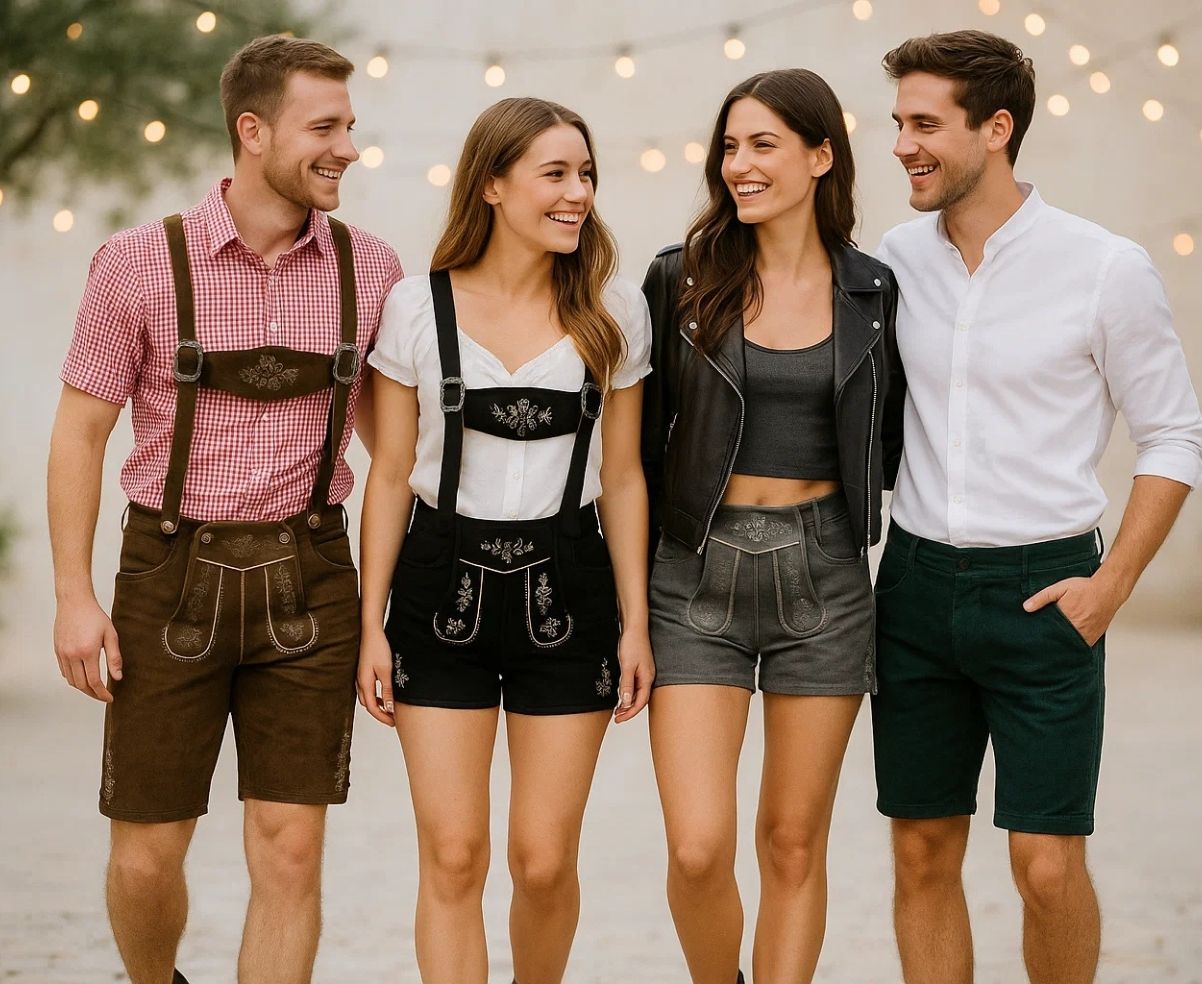
- Slim-fit cuts: Tailored versions appeal to younger festival-goers.
- Color variety: While browns and blacks remain classics, greens, blues, and even modern greys are increasingly popular.
- Women’s lederhosen: Once reserved for men, they’ve now become bold fashion statements for women seeking alternatives to dirndls.
- Customization: From initials embroidered into suspenders to unique motifs, personalization adds individuality.
At The Lederhosen, our designs strike a balance between traditional embroidery and modern comfort, making them perfect for both heritage lovers and trendsetters.
Accessories and Styling – Completing the Outfit
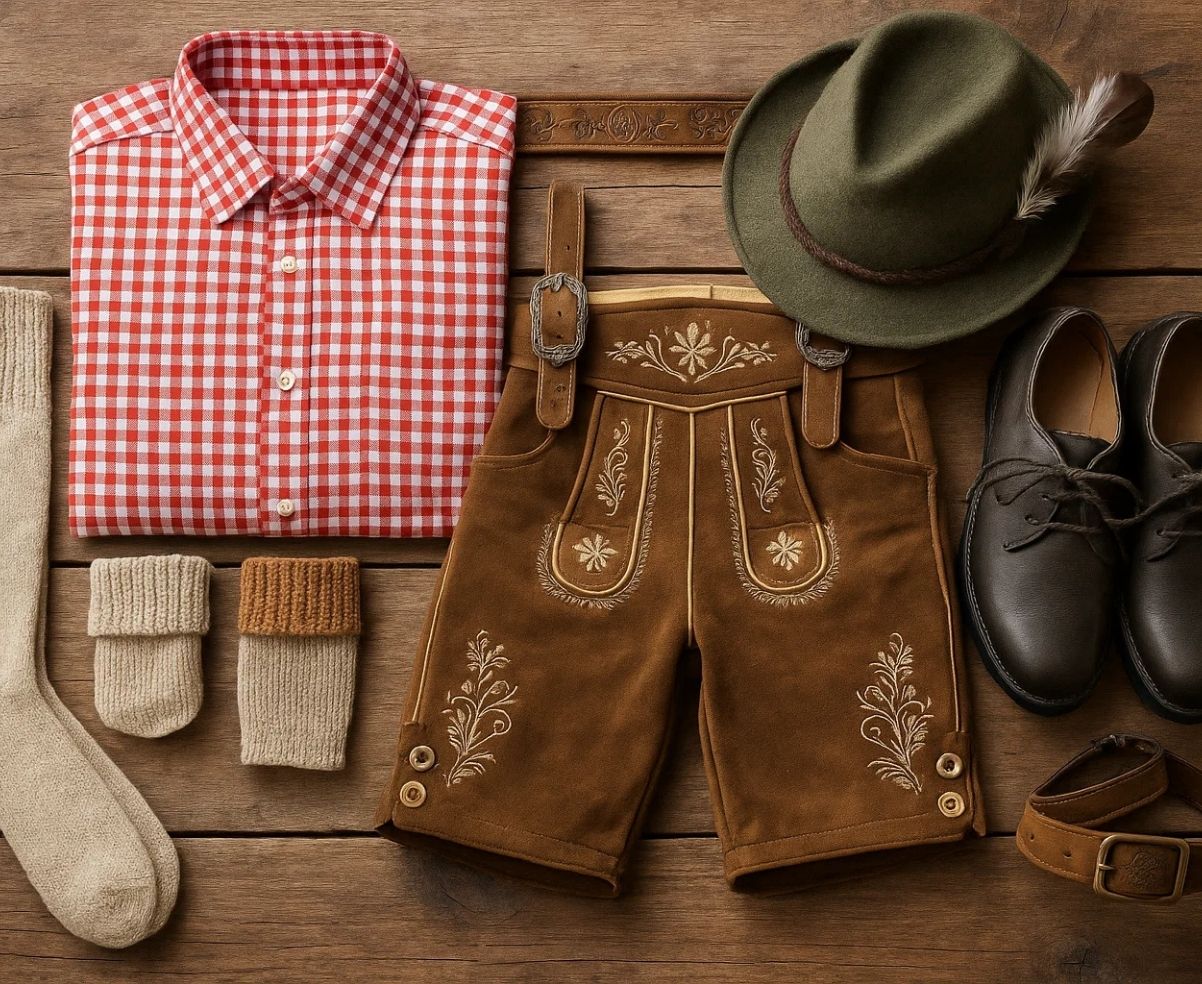
A true lederhosen outfit is never just about the shorts. Accessories complete the look:
- Bavarian shirts: White linen or colorful checkered shirts.
- Socks: Wool knee-high socks or “Loferl” calf warmers.
- Haferl shoes: Traditional leather shoes, sturdy for festival dancing.
- Alpine hats: Decorated with feathers or pins, often showcasing regional pride.
- Belts & suspenders: Both practical and decorative, often featuring embossed designs.
These elements transform lederhosen from rustic shorts into a full Bavarian ensemble, perfect for Oktoberfest or cultural events in the USA.
Fun Facts About Lederhosen
- Status Symbol: In some regions, the quality of your lederhosen showed your social standing.
- Longevity: A well-made pair can last decades — often passed down from father to son.
- Global Demand: Authentic lederhosen are now shipped worldwide, with the USA being one of the biggest markets.
- Unique Craftsmanship: Each region has distinct embroidery, making every pair a cultural signature.
Why Knowing the History Matters
Wearing lederhosen isn’t only about looking stylish at Oktoberfest — it’s about carrying centuries of tradition on your shoulders. Every piece of authentic lederhosen has a story hidden in its craftsmanship:
- The embroidery reflects Alpine heritage, with motifs inspired by mountains, forests, and flowers that once defined village life.
- The horn-style buttons are reminders of rural hunting traditions.
- The leather itself, often passed down for generations, represents durability and the spirit of hard-working Alpine families.
When you step into lederhosen, you’re stepping into the shoes of farmers, hunters, nobles, and festival-goers who wore them before you. It’s not just clothing — it’s a living history lesson stitched in leather.
That’s why at The Lederhosen, we go beyond fashion. We recreate authentic designs with premium goat and deer leather, intricate Alpine embroidery, and traditional craftsmanship. When you choose from our collection, you’re not just buying an outfit — you’re investing in cultural heritage.
From Alpine pastures of the 18th century to modern beer tents in Munich and the USA, lederhosen have connected people through pride, identity, and celebration. Wearing them today is your way of honoring that journey — and continuing the tradition for the next generation.
Conclusion – From Alpine Pastures to Today’s Beer Tents
The journey of lederhosen is one of transformation: from rugged workwear to aristocratic fashion, from regional pride to global recognition. They’ve survived centuries not just as clothing but as living pieces of history.
Today, whether you’re in Munich, Denver, or anywhere else in the world, lederhosen remain the ultimate symbol of Bavarian tradition. At The Lederhosen, we’re proud to carry this tradition forward, crafting garments that celebrate authenticity while adapting to modern style.
So next time you lace up your lederhosen and raise your beer stein high, remember: you’re not just celebrating Oktoberfest. You’re celebrating centuries of culture stitched into leather. 🍻